

Inspection of forging geometry and size
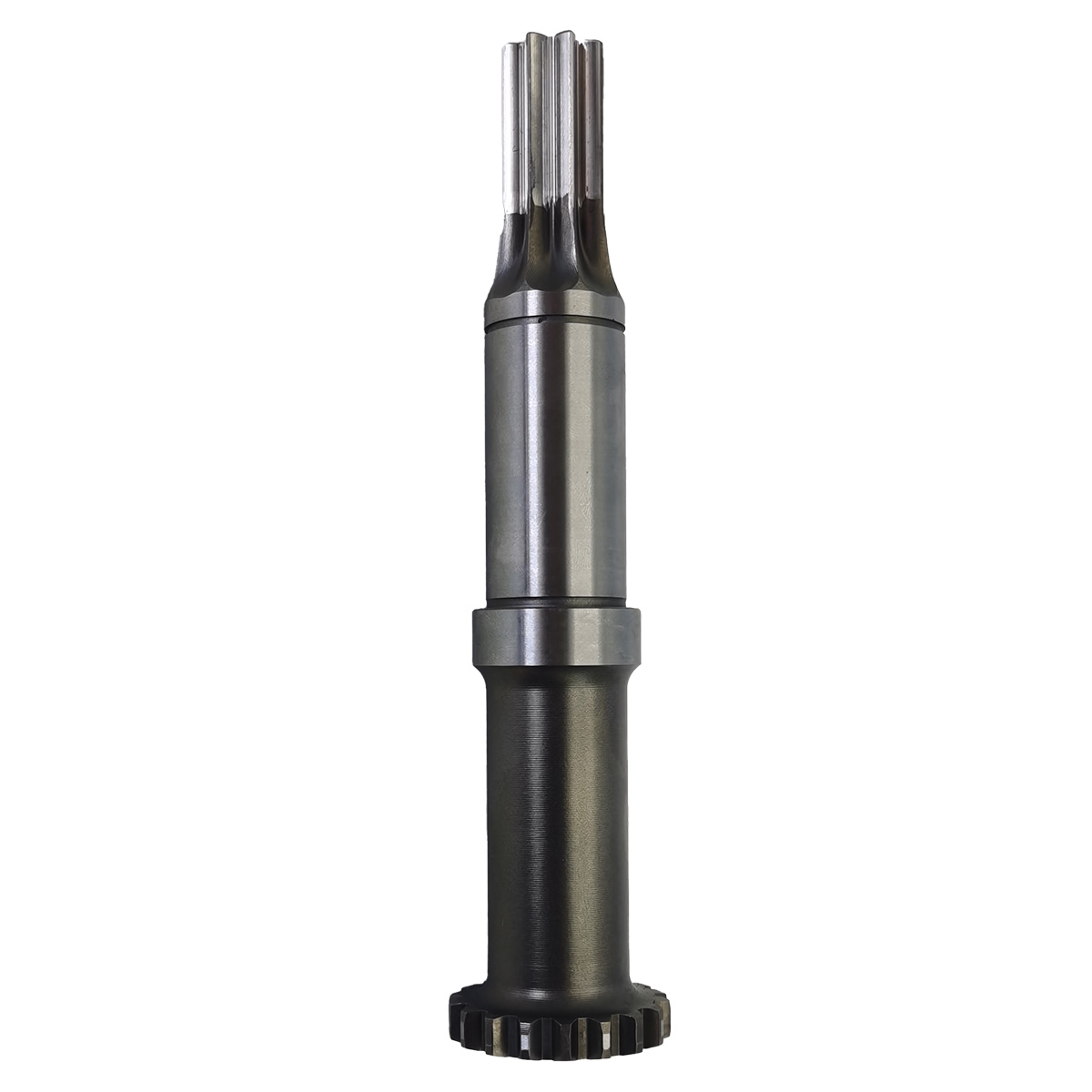
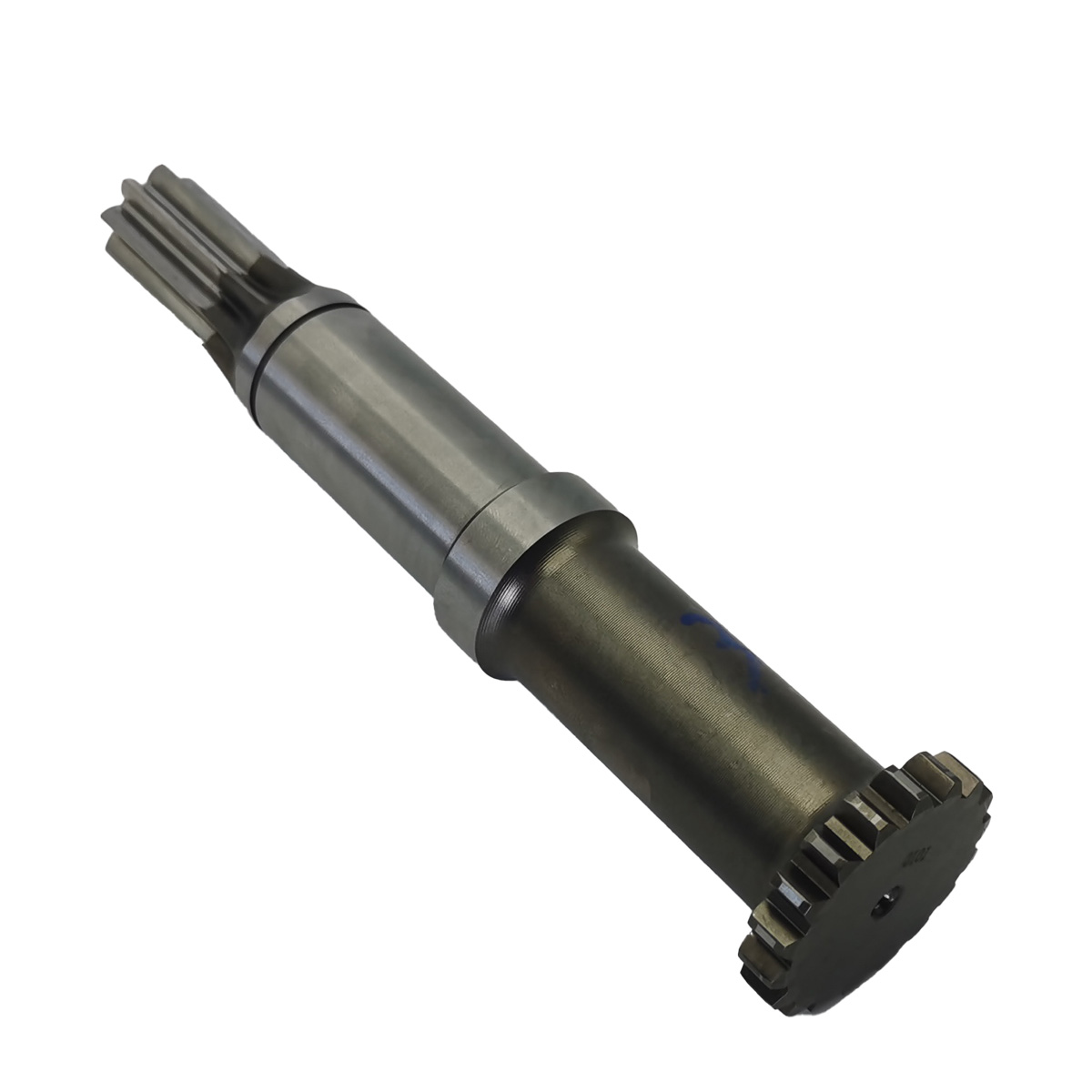
The inspection of forging geometry and size includes: forging length size; forging height (or lateral size) and diameter; forging thickness; forging cylindrical and fillet radius; forging upper angle; forging aperture; forging misalignment; forging deflection; forging plane verticality; forging parallelism.
The geometry and size of forgings can be measured with general measuring tools such as calipers, calipers, and vernier calipers. In mass production, special measuring tools plus calipers, plug gauges, and templates can be used for inspection. For forgings with complex shapes and requiring more inspection parts or items, special special instruments or templates can be used for inspection.
Forging surface quality inspection method
Visual inspection
This is the most common and most commonly used method for inspecting the surface quality of forgings. The inspector carefully observes the surface of the forging for cracks, folds, bruises, spots, surface overburning and other defects with the naked eye. In order to facilitate the observation of defects, visual inspection is usually carried out after pickling, sandblasting or roller removal of surface oxide scale.
Magnetic particle testing
Magnetic particle testing is also called magnetic particle inspection or magnetic particle flaw detection. It can detect fine cracks that cannot be detected by the naked eye, cracks hidden under the surface, and other surface defects, but it can only be used for magnetic materials such as carbon steel forgings, tool steel forgings, alloy steel forgings, and the surface of the forgings must be flat and smooth.
Fluorescence detection
For surface defects of non-ferromagnetic materials such as non-ferrous alloys, high-temperature alloys, stainless steel and other forgings, fluorescence detection can be used. Fluorescence detection is not limited by whether the material is magnetic or non-magnetic.
Colored penetrant testing
This method is not limited by whether the material is magnetic or non-magnetic. Use colored high-permeability oil to penetrate into the surface defects of the forging, absorb it with an adsorbent, and the surface defects can be seen with the naked eye under ordinary light.
Method for internal quality inspection of forgings.
Ultrasonic testing
Strong penetration; the equipment is flexible, easy to carry, and simple to operate; it can accurately detect defects such as cracks, inclusions, shrinkage holes, and pores; it can contact the forgings on one side for inspection, which is quite convenient for large forgings. Mainly used for important large forgings.
Low-magnification inspection
Low-magnification inspection is to check the defects on the cross section of forgings with the naked eye or with the help of a 10~30x magnifying glass. Common inspection methods include: acid etching, fracture, sulfur printing, etc. For defects such as streamlines, dendrites, residual shrinkage cavities, voids, slag inclusions, cracks, etc., acid etching is generally used. For defects such as overheating, overburning, white spots, delamination, naphthalene-like and stone-like fractures, fracture inspection is used. For the distribution of sulfides, the sulfur printing method is used for inspection.
High-magnification inspection
High-magnification inspection is to inspect the internal (or fracture) organizational state and microscopic defects of forgings under various microscopes. There are three types of microscopes used for high-magnification inspection: ordinary full-phase microscope, transmission electron microscope, and scanning electron microscope. In actual production, general inspection items, such as checking the grain size, inclusions, decarburization of structural steel and the distribution of carbides of tool steel, are all magnified to 100~500 times under an ordinary full-phase microscope for inspection and evaluation.
Nondestructive testing can detect surface or internal defects without destroying the forging. Nondestructive testing is very suitable for important forgings with strict quality requirements.
Methods for testing the mechanical properties of forgings
Hardness test
Hardness test is the simplest and most commonly used method for judging the mechanical properties of forgings in production. Commonly used hardness test methods for forgings are Brinell hardness, Rockwell hardness and Vickers hardness, especially Brinell hardness is the most used.
The purpose of testing hardness is to determine whether the forging has appropriate cutting performance, whether the surface is decarburized, and to roughly understand the internal structure of the forging.
Tensile test
Through room temperature tensile test, the tensile strength, yield strength (or specified plastic extension strength), elongation after fracture and cross-sectional shrinkage of the forging can be determined.
Impact test
Through impact test, the impact absorption energy of the forging can be determined.
Post time: Jul-10-2025