

Characteristics
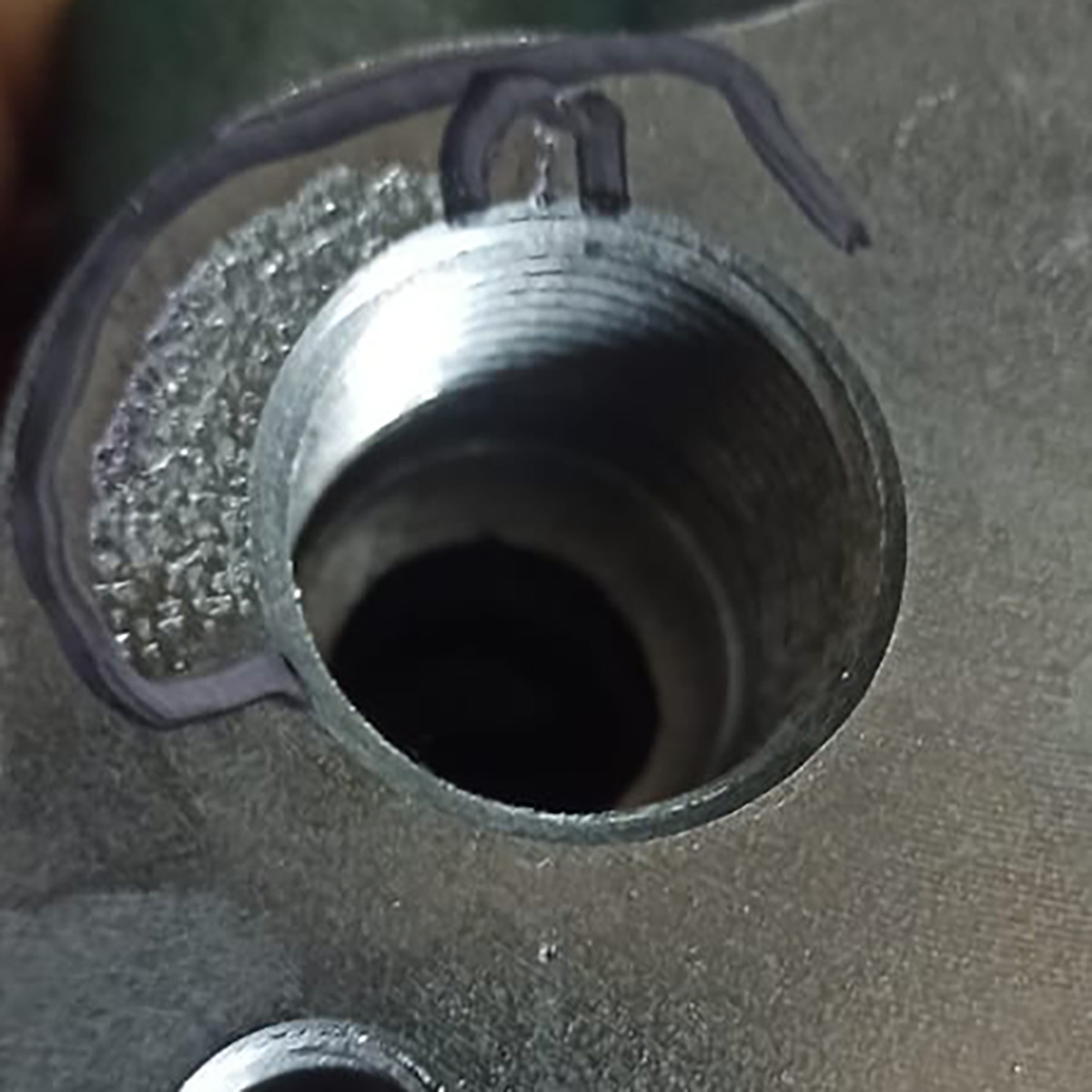
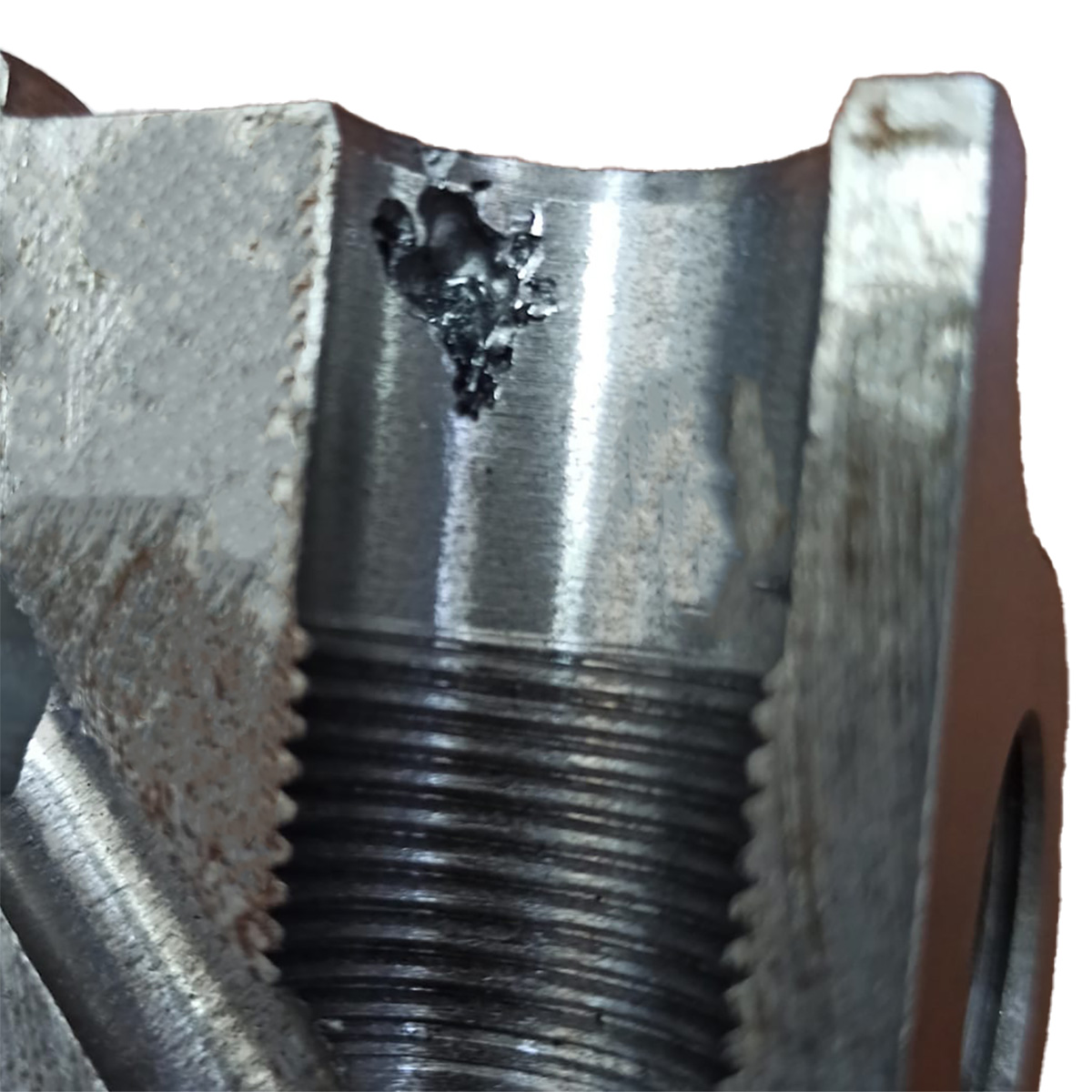
Large, concentrated cavities that are clearly visible are called shrinkage cavities, while small, scattered cavities that are difficult to see are called shrinkage porosity. Shrinkage cavities and porosity are more common in ductile iron castings than in ordinary gray cast iron castings.
Shrinkage cavities mostly occur above hot spots in castings. More dispersed shrinkage porosity is often found below the hot spots. However, shrinkage porosity may also appear in some uniformly thick centers or in the center of thick walls.
Some shrinkage porosity is very small and can only be detected under a microscope. This type of shrinkage porosity is polygonal, sometimes continuous, sometimes discontinuous, and distributed at the boundaries of eutectic clusters. This type of shrinkage porosity is called micro-shrinkage porosity. After the austenite dendrites solidify, the remaining molten iron solidifies last between the dendrites, forming micro-shrinkage porosity due to lack of feeding.
The volume of shrinkage cavities and porosity in ductile iron is larger than that in ordinary gray cast iron, white cast iron, and carbon steel castings. The shrinkage cavities and porosity of ductile iron can be 3 to 4 times larger, or even more, than those of ordinary gray cast iron. However, in production, a riserless process can be used to obtain well-formed ductile iron parts.
Reasons for Increased Shrinkage Cavities and Porosity in Ductile Iron
1. Precipitation of Spheroidal Graphite in Molten Iron
As the temperature gradually decreases, graphite spheroids in the molten iron gradually grow larger. The precipitation and growth of graphite are accompanied by the expansion of the liquid metal.
2. Divergent Eutectic Transformation
Ductile iron undergoes eutectic transformation via divergent eutectic formation. Its solidification is a porridge-like solidification process that occurs almost simultaneously inside and outside the casting, thus easily forming micro-shrinkage porosity.
3. Large Eutectic Solidification Expansion
Due to the porridge-like solidification, the eutectic transformation period of the casting lasts for a long time. The eutectic solidification time of ductile iron can be more than twice as long as that of ordinary gray cast iron, resulting in increased graphitization expansion during the eutectic transformation.
4. Mold Wall Movement
During eutectic solidification, the thin solidified layer on the casting surface due to porridge-like solidification prevents the formation of a sufficiently strong solidified shell to suppress graphitization expansion during eutectic solidification, causing the inner wall of the mold to move outward. Insufficient mold rigidity leads to an increase in cavity size, further increasing shrinkage cavities and porosity.
5. Spheroidizing Treatment Increases Undercooling of Molten Iron
After spheroidizing treatment, the original content of hydrogen, oxygen, nitrogen, and CO gases in the molten iron is reduced, purifying the iron and reducing external nuclei. Furthermore, the higher the superheat temperature of the molten iron, the greater the degree of purification, resulting in a more pronounced tendency for undercooling. In addition, spheroidizing elements magnesium and rare earth elements can form carbides with carbon, thereby reducing graphitization and increasing shrinkage tendency.
Measures to Prevent Shrinkage Cavities and Porosity
1. Molten Iron Composition
The content of carbon, silicon, manganese, rare earth elements, and magnesium must be appropriate. High carbon content reduces the tendency for shrinkage cavities and porosity, but excessive carbon content can lead to graphite floating. For thin-walled castings, low carbon and silicon content easily produces free carbides; for thick-walled castings, a lower carbon content and a slightly higher silicon content can be used. Manganese easily forms carbides, promoting shrinkage cavities and porosity; therefore, the manganese content should be minimized, especially for as-cast ferritic ductile iron.
While ensuring spheroidization, the residual magnesium and rare earth elements should not be too high.
2. Molten Iron State
Molten iron with low shrinkage cavities and porosity should have a shallower cooling curve slope and less supercooling. Expansion during eutectic solidification should be minimal.
3. Mold Stiffness
For wet sand molds, the mold hardness should be above 90 (Type B hardness tester), ideally achieving a compressive strength of 40 MPa. Furthermore, the tightness of the sand box is also crucial. For metal molds with sand coating (approximately 8mm thick) and for large castings made with self-hardening sand, riserless casting can be achieved.
4. Pouring Temperature
To prevent shrinkage cavities and porosity, it is necessary to minimize liquid shrinkage; a low pouring temperature is advantageous. However, for thin-walled (10mm) castings, low pouring temperatures can easily lead to carbide formation. In this case, using risers for feeding can be effective. Therefore, the appropriate pouring temperature also depends on the casting structure and wall thickness.
5. Gating System
Adopting a sequential solidification method, and the rational design and placement of the casting, risers, riser necks, ingates, and runners, as well as the use of external chills and, when necessary, metal molds, are all effective measures to prevent shrinkage cavities and porosity.
Post time: Nov-07-2025