

stings with defects are not necessarily scrap. With necessary repairs to remove the defects, as long as the technical requirements of the casting can be met, most repaired castings can still be used as finished products. The purpose of repairing casting defects is to avoid remelting, to restore defective castings so that they meet the acceptance standards for appearance quality and internal quality, thereby avoiding production delays, improving product yield, and increasing economic benefits. Repairing casting defects is therefore an essential process in foundry production.
The principle of repairing casting defects is that after repair, the appearance, performance, and service life of the casting must all meet the requirements, and the repair must be economically feasible. If technically uncertain or uneconomical, then the casting should not be repaired.
There are many repair methods for casting defects, and the applicable scope of each method is different. The choice of repair method should depend on the material, type of casting, and type of defect.
Common Casting Repair Methods and Their Application Scopes
| No. | Repair Method | Application Scope |
| 1 | Straightening | Used for correcting deformed castings. |
| 2 | Electric Welding | Mainly used for cast steel parts; secondarily for cast nonferrous alloys. |
| 3 | Gas Welding | Mostly used for cast iron and nonferrous alloys; rarely used for cast steel. |
| 4 | Stud Welding | Repairs holes and cracks in cast iron and nonferrous alloy castings, but the service temperature of the parts must not be too high. |
| 5 | Brazing | Mostly used for repairing large shrinkage cavities and incompletely fed local defects in castings. |
| 6 | Impregnation | Repairs surface porosity in non-machined areas; used for pressure vessels with relatively low hydrostatic test pressure and castings with not very severe leakage. |
| 7 | Filling Repair | Repairs small holes and leakage defects that do not affect part performance; parts must be used at temperatures below 200 °C. |
| 8 | Plugging | Repairs non-performance-affecting holes and similar defects. |
| 9 | Metal Spraying | Repairs porosity on non-machined surfaces; after repair, the working temperature of parts should not exceed 400 °C. |
| 10 | Adhesive Bonding | For repairing surface defects in areas not subjected to heavy impact or high loads. |
Common Methods for Repairing Defects in Cast Iron Castings:
1. Welding Repair
Welding is the most commonly used method for repairing castings. It can be used to repair defects such as pores, shrinkage cavities, cracks, sand holes, and cold shuts. According to welding process characteristics, it can be divided into cold welding and hot welding.
• Cold welding: The casting does not need to be preheated and can be directly welded. This method is simple to operate, with better working conditions, and is often used for repairing defects on non-machined surfaces of castings. Nickel-based or copper-based cast iron electrodes are often used to prevent white iron formation and reduce stress. A small welding current should be used to avoid excessive temperature differences, which may increase the thickness of the white iron layer in the base metal. Cold welding is not permitted on parts subjected to dynamic loads.
• Hot welding: The casting is preheated before welding. The casting is heated to a reddish-brown color (about 600°C), welding is performed quickly, and after welding, the casting is kept insulated and cooled slowly. Although working conditions are worse, the welding quality is better than cold welding, so this method is often used for repairing defects on machined surfaces of castings. High-silicon cast iron electrodes are generally used, which can result in gray iron structures.
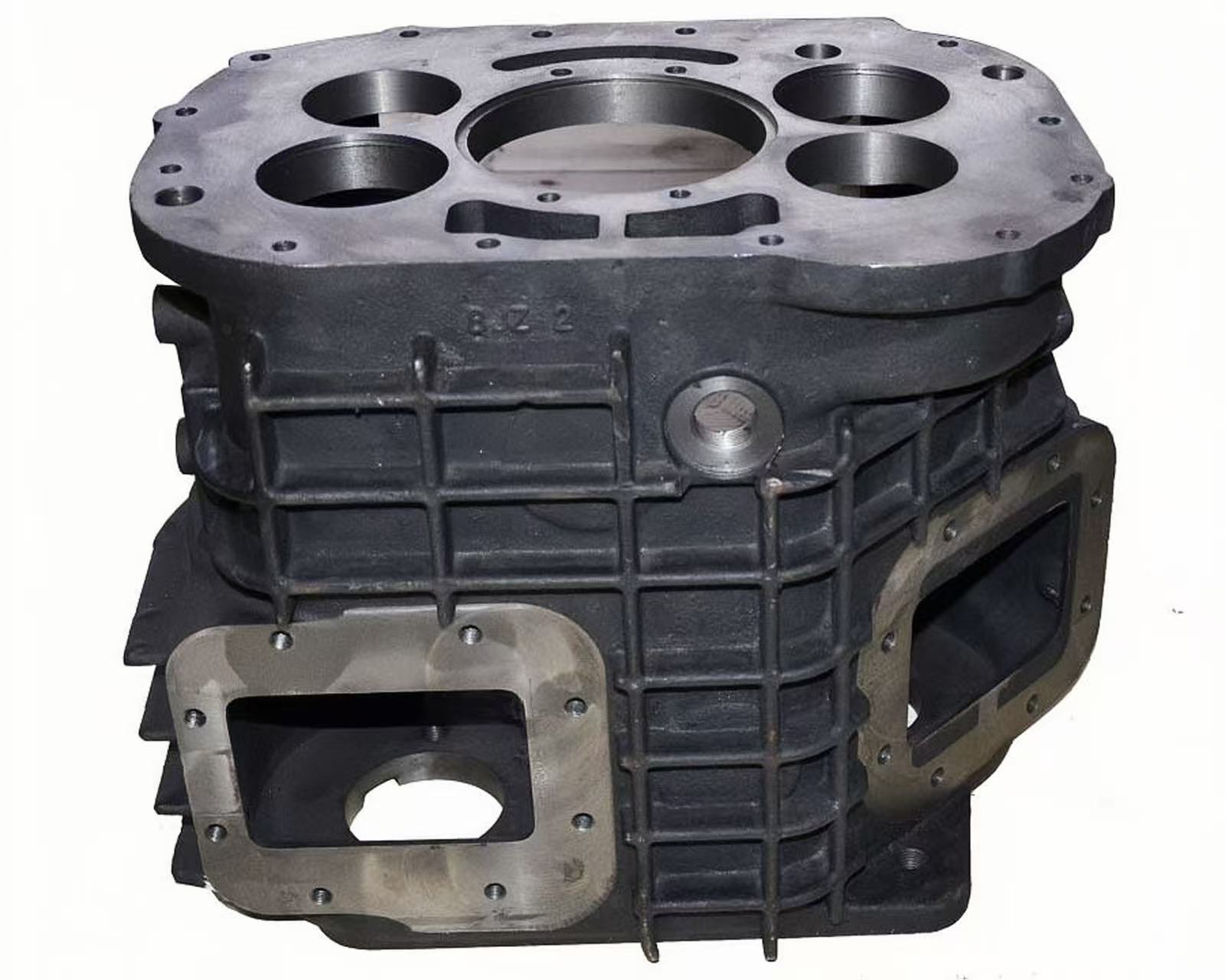
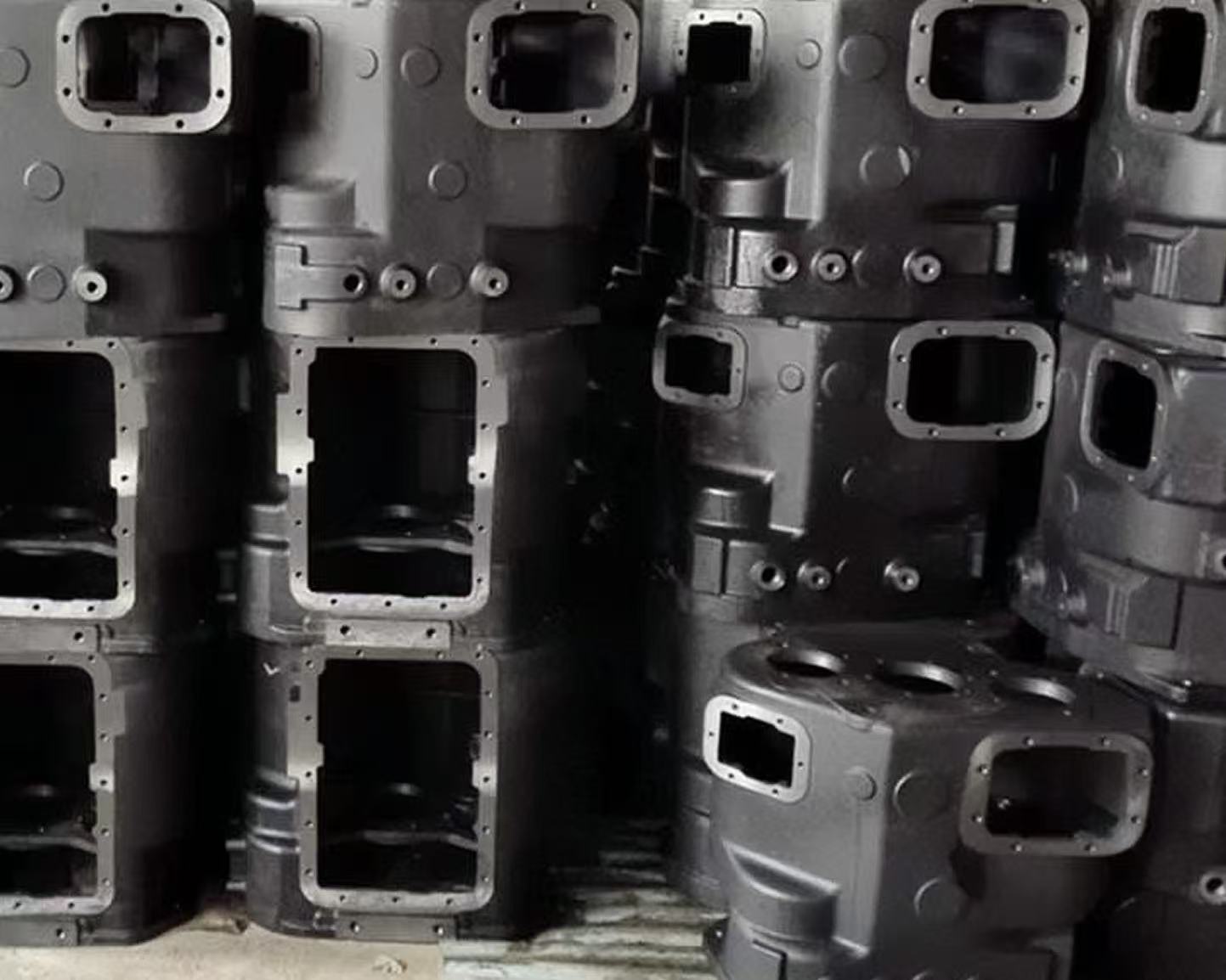
2. Impregnation Repair
For castings such as pressure vessels that leak under pressure tests, if the leaking areas cannot be welded and the operating temperature is relatively low (<250°C), impregnation repair can be used. This method involves introducing a gel-like impregnating agent into the pores of the casting. After hardening, the impregnating agent bonds with the inner walls of the pores, thereby sealing the leak.
3. Putty Filling Repair
For less critical areas of castings where defects are primarily cosmetic, holes and similar defects can be repaired with putty prepared to match the color of the casting. Various types of putty binders can be selected according to the defect and service requirements. For example, for holes in non-load-bearing areas, a putty mixture (by mass) can be used: 75% iron powder, 20% water glass, and 5% cement.
Before filling, the defect must be thoroughly cleaned. Then, the putty is pressed into the defect with a spatula and smoothed.
4. Fusion Repair
Fusion repair uses molten metal to melt the surface of the casting defect, while fusing the defective portion of the casting with the molten repair metal. This method is commonly used for large castings with unfilled or oversized missing sections.
Before fusion repair, the defective area of the casting should be ground clean, and a sand mold matching the missing section is placed over it, surrounded with molding sand. Molten metal is poured into the sand mold, flowing through the defect area and out of a lower outlet into a collection basin. Once the defective area of the casting is softened (which can be checked with a metal rod), the outlet is blocked, and molten metal continues to be poured until the missing section is fully filled. To prevent excessive stress in the casting, care must be taken to keep the casting insulated after fusion repair, allowing it to cool slowly.
Post time: Sep-04-2025