

Investment casting is a process in which several layers of refractory coatings are applied to the surface of a wax pattern. After hardening and drying, the wax pattern is melted and removed by heating, forming a mold shell with a cavity corresponding to the shape of the wax pattern. After firing, molten metal is poured into the mold to obtain the casting. Therefore, it is also called lost-wax casting. With continuous improvements in production technology, new wax pattern processes have been developed, and the range of materials available for pattern making has greatly expanded. The method of removing the pattern is no longer limited to melting, and materials other than wax—such as plastics—can also be used for making patterns. However, due to convention, the original term "investment casting" or "lost-wax casting" is still widely used. Because castings produced by this method have high dimensional accuracy and low surface roughness, the process is also known as precision investment casting.
A fundamental characteristic of investment casting is the use of a disposable, meltable pattern during mold making. Since there is no need to remove the pattern from the mold, the shell can be made as a single piece without a parting line. The mold shell is made of refractory materials with excellent high-temperature performance. This process can produce castings with complex shapes — with a minimum wall thickness of 0.3 mm and a minimum hole diameter of 0.5 mm. In production, some components originally made by assembling several parts can be redesigned and directly formed as a single piece through investment casting. This saves machining time, reduces material consumption, and makes the structure of the part more reasonable.
The weight of castings produced by investment casting generally ranges from a few dozen grams to several kilograms, or even tens of kilograms. Very heavy castings are not suitable for this process because of limitations in pattern materials and difficulties encountered during shell making.
Investment casting can be used with almost any alloy. It is particularly advantageous for alloys that are difficult to machine or forge. However, the process also has some disadvantages, such as numerous production steps, long production cycles, and complex procedures. Many factors affect casting quality, so strict process control is essential for stable production.
I. Pattern Making
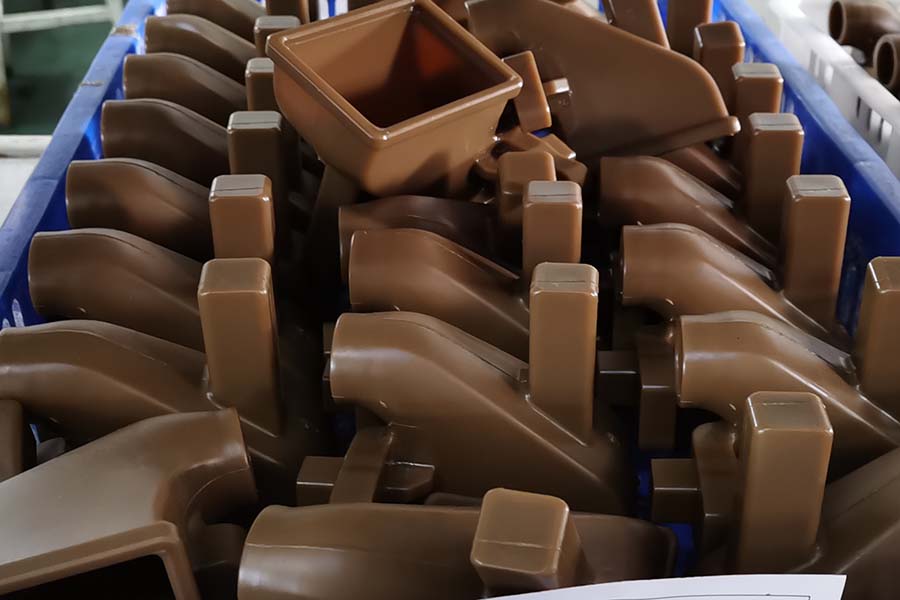
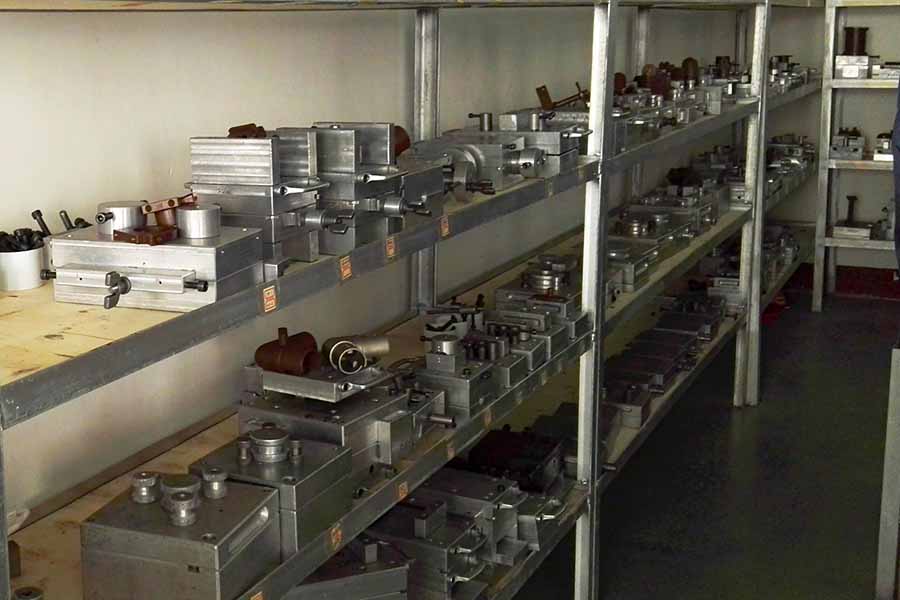
Compared with other casting methods, the most distinctive feature of investment casting is the use of a meltable pattern to create the mold shell. Each mold shell requires one expendable pattern. High dimensional accuracy and low surface roughness of the pattern are prerequisites for obtaining high-quality castings. Therefore, the properties of the pattern material (commonly called pattern wax), the quality of the die used to press the pattern, and the molding process all directly affect the quality of the final casting.
Types of Pattern Materials
1. Wax-based materials
2. Rosin-based materials
3. Filler-added materials
4. Water-soluble materials
5. Composite (combined) materials
II. Mold Shell Preparation
In modern investment casting, the mold shell is generally made of multiple layers of refractory materials.
The assembled pattern cluster (pattern tree) is repeatedly dipped into refractory slurry, coated with refractory grains (stuccoed), and then dried and hardened. This process is repeated several times until the desired shell thickness is achieved. The resulting multilayer shell is then allowed to dry and harden completely before the pattern is removed, leaving a hollow mold shell.
Some shells require additional support with sand filling during pouring, while others—called high-strength shells—do not. After firing, the shell is ready for casting.
The quality of the shell directly determines the quality of the casting. According to its service conditions, the shell should meet the following performance requirements:
1. High room-temperature strength, appropriate high-temperature strength, and low residual strength after firing.
2. Good permeability (especially at high temperature) and thermal conductivity.
3. Low and uniform thermal expansion coefficient.
4. Excellent thermal shock resistance and chemical stability at high temperatures.
III. Pouring and Cleaning
(1) Pouring of Investment Castings
The most commonly used pouring method in investment casting is hot-shell gravity pouring. In this method, the fired shell is taken directly from the furnace and filled with molten metal under the force of gravity. Because the shell is still hot during pouring, it allows the molten metal to fill the cavity more completely, accurately reproducing the fine details of the mold and yielding castings with clear contours and precise dimensions. However, since the casting cools slowly in the hot mold, coarse grains may form. When pouring carbon steel castings, surface oxidation and decarburization may occur, which can affect the mechanical properties and surface quality of the casting.
(2) Cleaning of Castings
Cleaning involves removing the shell from the casting, cutting the castings from the gating system, and removing any residual refractory materials.
When the casting temperature drops to 250–450 ℃, the shell can be removed. For small-batch production, the shell can be broken off by hammering or using a pneumatic hammer around the gating area. For larger-scale production, a vibrating shell-removal machine is typically used to improve efficiency.
After shell removal, castings are separated from the gating system. For hard alloys such as carbon steel or alloy steel, cutting can be done using oxy-acetylene torches or grinding wheels. For softer alloys such as copper or aluminum alloys, hand saws or band saws can be used.
Residual refractory material on the casting surface is usually removed chemically. The castings are immersed in a boiling sodium hydroxide (NaOH) solution (20–30 % concentration) or potassium hydroxide (KOH) solution (40–50 %) to dissolve and remove the remaining refractory materials. After alkaline cleaning, the castings should be rinsed with hot water to prevent corrosion.
For simple-shaped castings, sandblasting or shot blasting is preferred for surface cleaning.
Post time: Oct-16-2025