

Internal defects of castings refer to various defects that exist inside castings and destroy the density or uniformity of castings, such as internal shrinkage, shrinkage, pinholes, pores, inclusions, internal cracks, segregation, etc. For these defects that are not exposed on the surface, special non-destructive testing methods should be used to check, and sometimes destructive testing has to be carried out.
When using non-destructive testing methods, radiographic testing methods, ultrasonic testing methods, etc. are often used.
When using destructive testing, fracture inspection, low-power inspection and high-power inspection are often used.
Radiographic testing methods
Radiographic testing methods can detect shrinkage, shrinkage, looseness, inclusions, pores, cracks and other defects inside castings, and can determine the position, size and type of defect projection on the defect plane.
Radiographic testing methods include X-ray method, gamma ray method and neutron ray method, etc. According to different radiographic testing methods, they can be divided into ordinary photography method, fluorescent screen observation method and television observation method. The most commonly used is the ordinary photography method of X-rays and gamma rays, because it has a large penetrating power. After the rays pass through the casting to be inspected, they act on the photographic film, producing different degrees of photosensitivity, leaving an image of the defect on the photographic film. Through darkroom processing (development, fixing), the defect situation can be judged. However, the image of the defect on the X-ray film is not necessarily the same as the actual shape of the defect. This is because the influence of factors such as the focus position of the ray, the projection angle, and the nature of the defect (such as pores and slag holes) will cause the defect image to be magnified and distorted.
Identifying and inferring the internal defects of castings on X-ray films is an extremely delicate and complex task, which requires considerable testing experience and casting process knowledge to make a relatively reliable conclusion.
It should be noted that: ① When observing the film, use an observation light, identify false defects during observation, and re-transmit when it is impossible to distinguish true and false defects to prevent misjudgment; ② When observing, concentrate to avoid missing small defects, and use a magnifying glass to observe carefully when necessary.
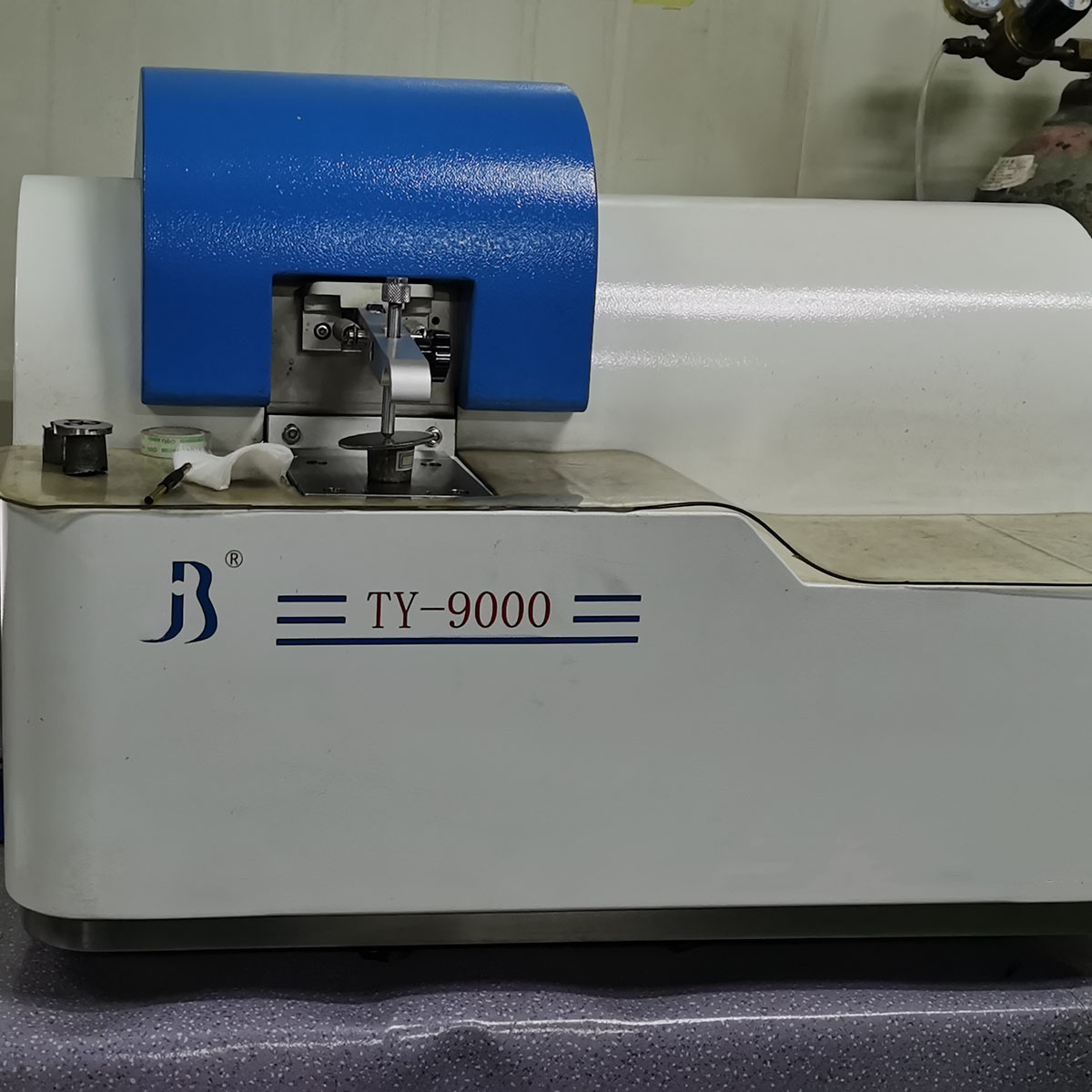
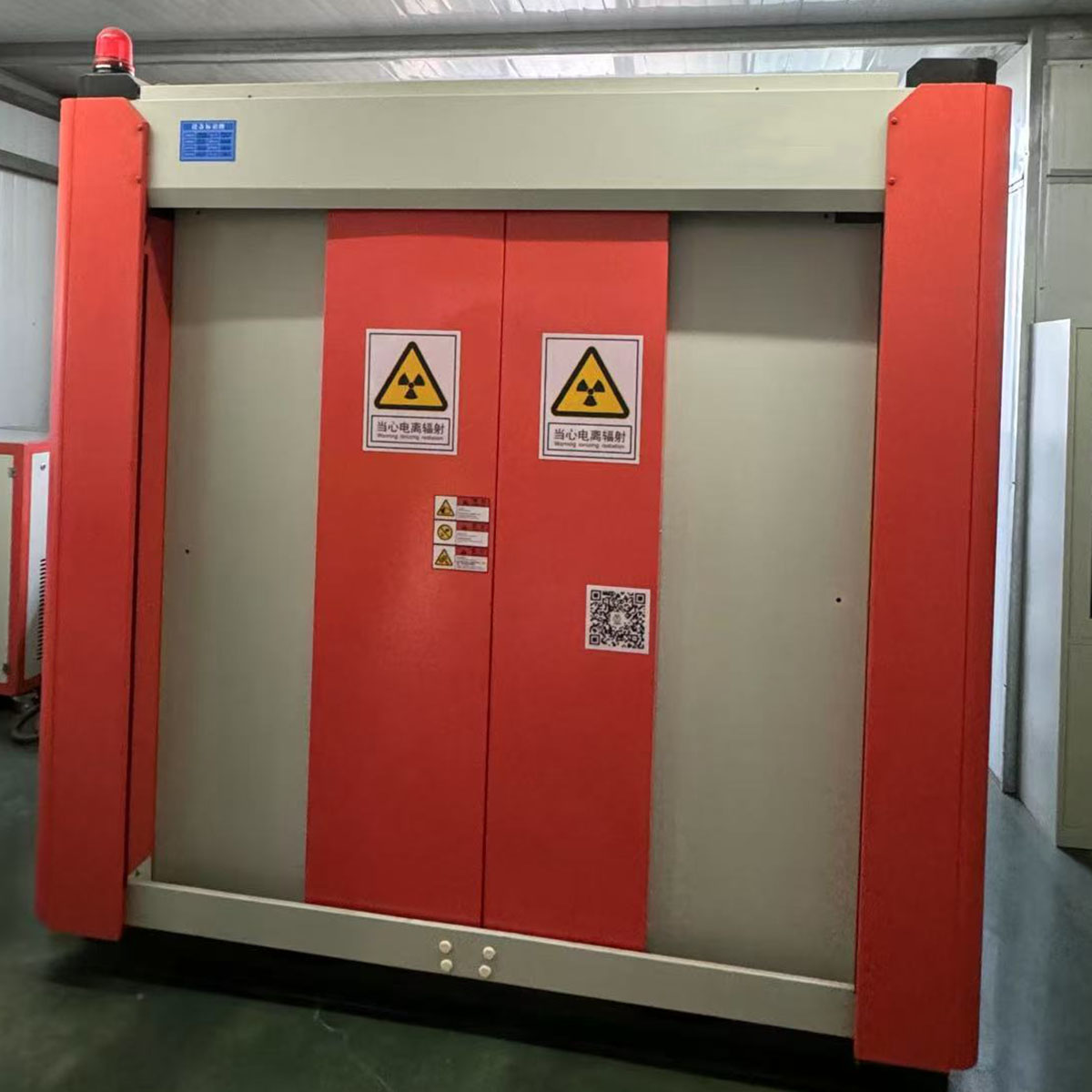
1) X-ray and gamma-ray inspection of steel castings with a thickness of 5~300mm should be carried out in accordance with the standard GB/T 5677-2007 "Radiographic Inspection of Steel Castings".
This standard divides the casting defects of radiographic films into five categories: pores, sand and slag inclusions, shrinkage cavities and shrinkage porosity, unfused internal cooling iron and unfused core support, hot cracks and cold cracks. The standard stipulates 6 quality levels from 1 to 6 for the first three types of defects (the larger the value, the worse the quality), and the quality level for the last two types of defects (unfused and cracks) is set as level 6. The defect size is measured according to the size of the defect image on the film; the size of shrinkage defects only measures the size of each obvious part of the defect, excluding the size of the surrounding blurred shadow part; when two or more defects partially overlap on the film, the size should be measured separately.
The supply and demand parties can agree on a certain quality level as the qualified level according to the use requirements of the steel castings. Different qualified levels can be selected for different parts of the same steel casting, and different types of defects in the same part can also select different qualified levels.
2) The quality rating of X-ray inspection of aluminum alloy castings should be carried out according to the standards GB/T 11346-1989 "X-ray inspection of aluminum alloy castings Pinhole (circular) classification", HB 5395-1988 "X-ray inspection of aluminum alloy castings Long pinhole classification", HB 5396-1988 "X-ray inspection of aluminum alloy castings Spongy loose classification", HB 5397-1988 "X-ray inspection of aluminum alloy castings Dispersed loose classification", HB 6578-1992 "Reference radiographic film for inspection of aluminum-magnesium alloy castings".
The key points of the analysis and evaluation method of the radiographic inspection film of aluminum alloy castings are as follows:
① If the characteristics (blackness, image quality) of the radiographic inspection film of the inspected part of the casting are similar to those of the reference radiographic inspection film, the two can be directly compared. However, when the characteristics of the two are different, the film viewing lamp should be used for comparative observation, but strict rules cannot be formulated for this.
② When using reference radiographic films, the unit area to be examined should be a square with a side length of 5 cm. When viewing the film, the area with the largest number of defects should be framed within the unit area, and then the image of the area should be compared with the image of the reference radiographic film that meets the limit allowable level.
③ If the level of a defect shown on the radiographic film of the inspected casting is equal to or less than the level of the reference radiographic film, the casting should be considered to have passed the radiographic inspection; if the defect level shown on the radiographic film of the inspected casting is greater than the level of the reference radiographic film, the casting should be rejected.
④ It is often the case that defects with the same or different characteristics overlap in the area containing the largest defects. For example, in the same unit area, several pores may appear, while the corresponding reference radiographic film contains only one pore of comparable size. Porosity and pores can also overlap in the same way.
Post time: Jul-03-2025