

Concept of Filling Ability of Liquid Metal
(1) Filling Ability of Liquid Metal
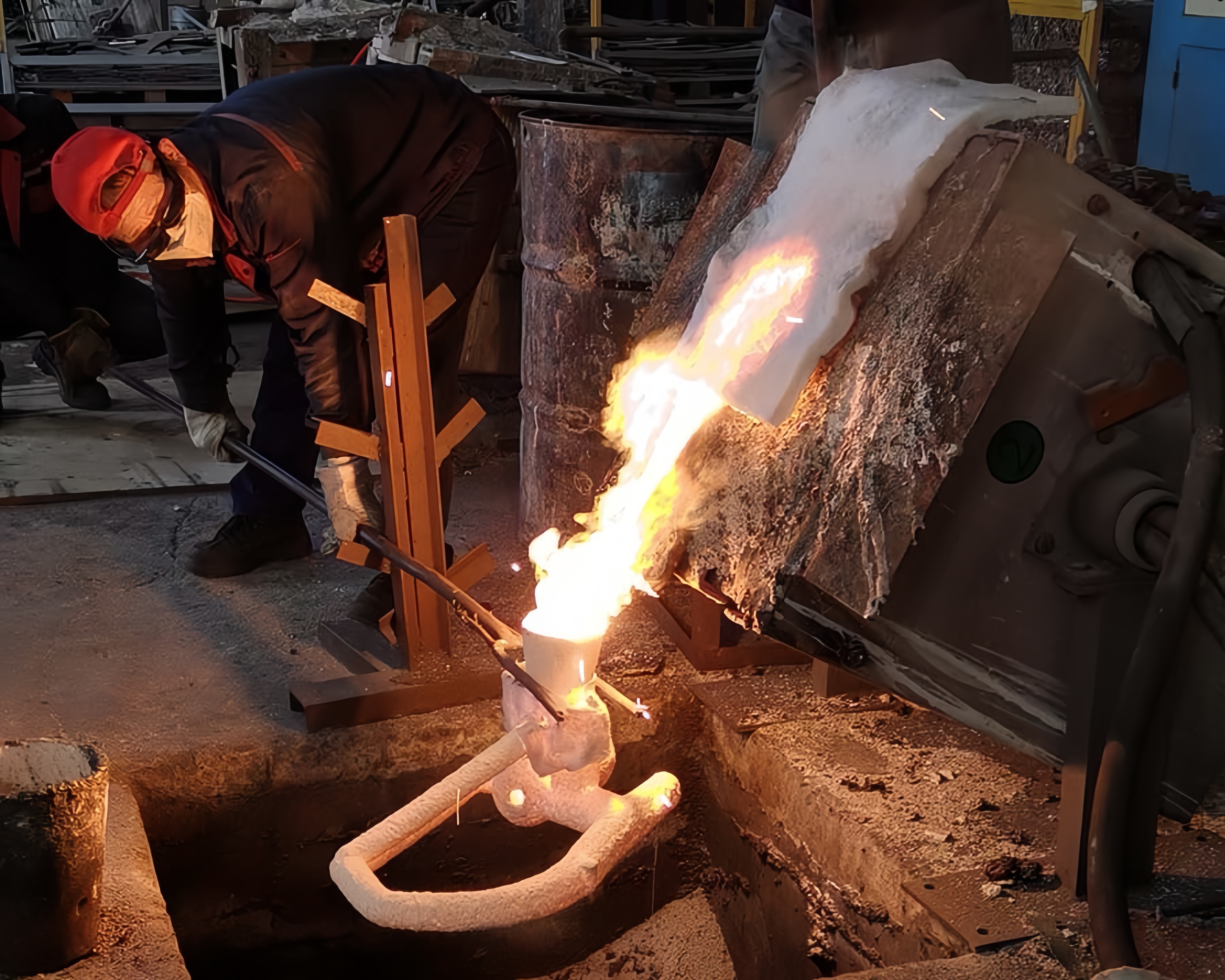
The ability of liquid metal to completely fill the mold cavity and form a casting with complete shape and clear contours is referred to as the filling ability of liquid metal. In most cases, the mold cavity is filled while the metal remains in a fully liquid state, but there are also instances where solidification begins during the filling process. If the forming crystals block the passage of the gating system before the cavity is fully filled, casting defects such as misruns may occur.
(2) Fluidity of Liquid Metal
The inherent ability of liquid metal to flow is called fluidity. It is one of the casting properties of a metal and is influenced by the metal’s composition, temperature, impurity content, and physical properties.
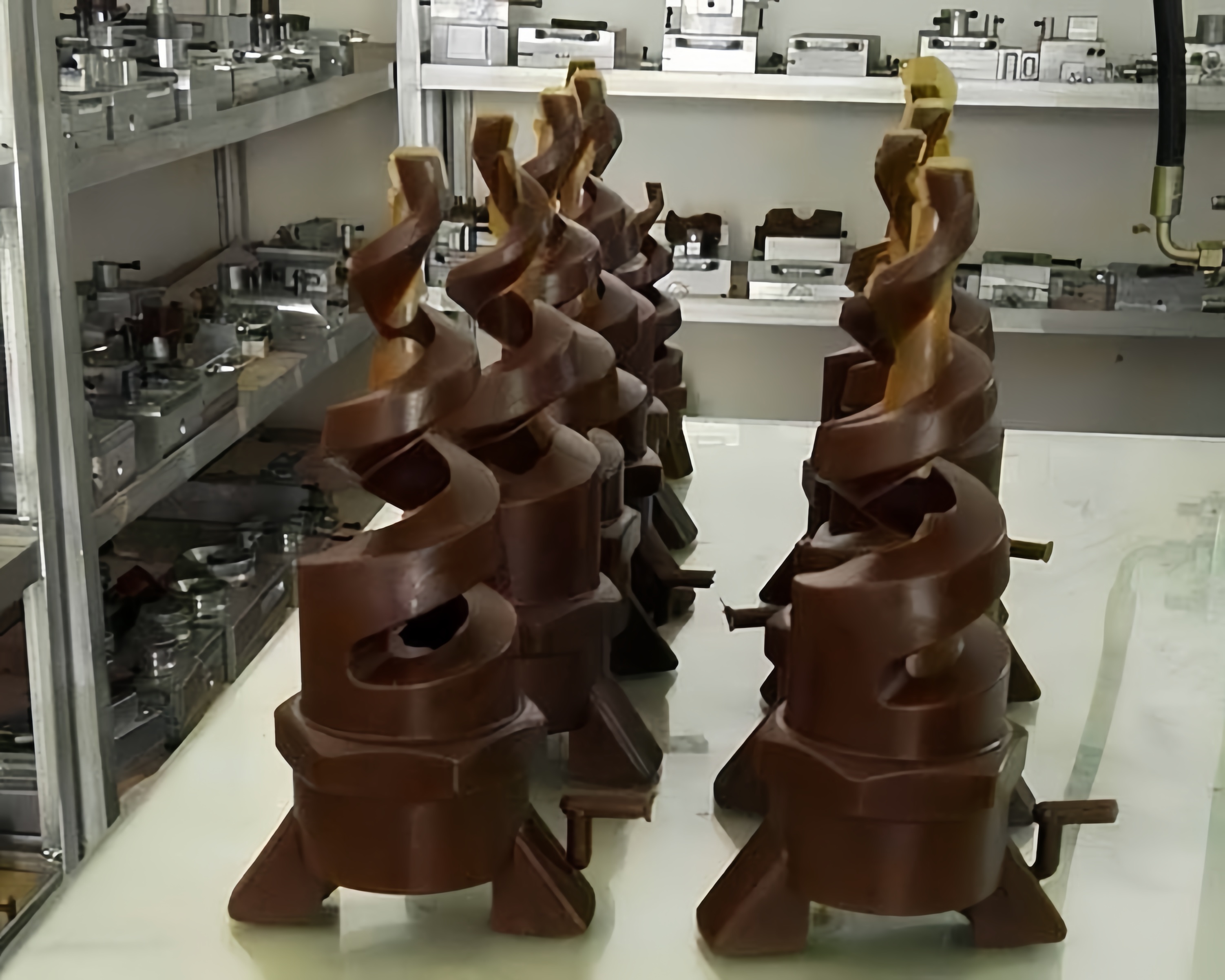
The fluidity of molten metal significantly affects the discharge of gases and impurities from the mold, as well as feeding during solidification and the prevention of cracks in the casting. Fluidity is usually measured by pouring test samples, among which the spiral-type sample is the most commonly used.
Factors Affecting the Filling Ability
The filling ability of liquid metal is influenced by four main aspects: properties of the metal, properties of the mold, pouring conditions, and casting structure.
1. Metal Properties
These are intrinsic factors that determine the metal’ s own ability to flow — that is, its fluidity. Factors influencing metal fluidity include alloy composition, latent heat of solidification, specific heat capacity, density, thermal conductivity, viscosity, and surface tension of the molten metal.
2. Mold Properties
The mold exerts flow resistance on the liquid metal and exchanges heat with it, both of which have significant impacts on filling ability.
1) The thermal capacity of the mold refers to its ability to absorb and store heat from the molten metal. The greater the thermal capacity, the stronger the mold’s chilling effect, resulting in a shorter time the metal remains in a liquid state, thereby reducing filling ability. In general, sand molds have better filling ability than metal molds; dry molds are better than green (wet) molds, and hot molds are better than cold ones.
2) Preheating can reduce the temperature difference between the mold and molten metal, thereby improving filling ability. For example, metal molds are preheated before pouring, and ceramic shells in investment casting are fired at high temperatures before pouring — both are methods aimed at enhancing filling ability.
3. Pouring Conditions
(1) Pouring Temperature
Pouring temperature has a decisive impact on filling ability. A higher temperature improves filling, but excessively high temperatures may cause gas absorption and oxidation.
Typical pouring temperatures:
• Cast steel: 1520–1620°C
• Aluminum alloys: 680–780°C
• Tin bronze and aluminum bronze: 1050–1220°C
• Common brass: 980–1150°C
For complex parts, use the upper limit; for large, thick parts, use the lower limit.
(2) Filling Pressure Head
The greater the pressure in the direction of molten metal flow, the better the filling ability. However, if the pressure head is too high or the filling speed is excessive, it may cause spattering and oxidation, leading to defects such as inclusions. Moreover, trapped gas in the mold may not be expelled in time, resulting in increased back pressure and defects like misruns or cold shuts.
Pouring temperature for grey cast iron castings
| Casting wall thickness /mm | <4 | 4~10 | 10~20 | 20~50 | 50~100 | 100~150 | >150 |
| pouring temperature/℃ | 1360~1450 | 1340~1430 | 1320~1400 | 1300~1380 | 1230~1340 | 1200~1300 | 1180~1280 |
(3) Structure of the Gating System
The more complex the gating system, the greater the flow resistance and the lower the filling ability. Therefore, under the premise of ensuring casting quality, the gating system should be kept as simple as possible.
4. Casting Structure
The structural characteristics of the casting, mainly its modulus and complexity, also influence filling.
1) Casting Modulus
The casting modulus (also known as equivalent thickness) M (cm) is defined as:
M=V/S
Where:
V = Actual volume of the casting (cm³)
S = Total heat-dissipating surface area of the casting (cm²)
Under the same pouring conditions and with equal volume, a casting with a larger modulus has relatively less surface area, leading to slower heat loss and better filling ability. Conversely, thinner walls and smaller modulus reduce filling ability.
2) The more complex the casting geometry, the more complex the mold cavity. This increases flow resistance and makes complete mold filling more difficult.
Post time: Aug-07-2025