

20Mn2 (ASTM A502)
Properties: Moderate strength, high cold deformation plasticity, good low-temperature properties, and moderate weldability and machinability. Compared to carbon steels of similar carbon content, it has a higher hardenability, with a critical hardenability in oil of approximately 14-15mm. However, it is susceptible to overheating, decarburization, and temper brittleness during heat treatment.
Applications: Suitable for the manufacture of carburized parts with low surface and core performance requirements and cross-sectional dimensions (diameter <50mm). For example, it can replace 20Cr steel in the manufacture of pinions, small shafts, low-quality piston pins, cross pin heads, diesel engine sleeves, valve lifters, and transmission levers in automobile and tractor manufacturing. In addition, in the hot-rolled or normalized state, it can also be used to manufacture riveted weldments, screws, and nuts.
30Mn2 (EN 28Mn6)
Characteristics: Moderate cold deformation plasticity, fair machinability and weldability (but preheating the weldment to above 200°C is required before welding); excellent processability for wire drawing, cold heading, and heat treatment; high hardenability, with a critical hardenability in oil of approximately 6.5-18mm; low quenching distortion, but prone to overheating, decarburization, and temper brittleness; high strength, toughness, and wear resistance after quenching and tempering, with good static and fatigue strength. This steel is primarily used in the quenched and tempered state.
Applications: Suitable for the manufacture of stamped parts (4-11mm steel plate) in automobile, tractor, and general machinery manufacturing, such as automotive upper beams and crossbeams, transmission gears, shafts, cold-headed bolts, and larger cross-sectional quenched and tempered parts. It can also be used for carburized parts requiring high core strength, such as upper shafts and journals for mining cranes.
35Mn2 (ASTM 1335)
Properties: Moderate cold deformation plasticity, good machinability, but poor weldability. Compared to 30Mn2 (EN 28Mn6) steel, it offers higher strength, wear resistance, and hardenability. Its critical hardenability in oil is approximately 7.5-20 mm, but its plasticity is slightly reduced. It is also susceptible to white spotting, overheating, and temper brittleness, and is prone to cracking during water quenching. This steel is generally used in the quenched and tempered or normalized state.
Applications: In heavy and medium-duty machinery, it is primarily used for the manufacture of high-stress components such as connecting rods, various shafts, and cold-headed bolts. It can replace 40Cr (EN 41Cr4) steel in the manufacture of small-section components (diameter < 20 mm).
40Mn2 (EN 42Mn6)
Characteristics: High strength, ductility, and wear resistance, along with good machinability and heat treatment properties. Critical through-hardening diameter: approximately 8.5-23mm in oil, 20-42mm in water. However, it exhibits sensitivity to overheating, temper brittleness, and white spot. Cold deformation ductility is low, and weldability is poor (welding requires preheating to 100-450°C). Generally used in the quenched and tempered state.
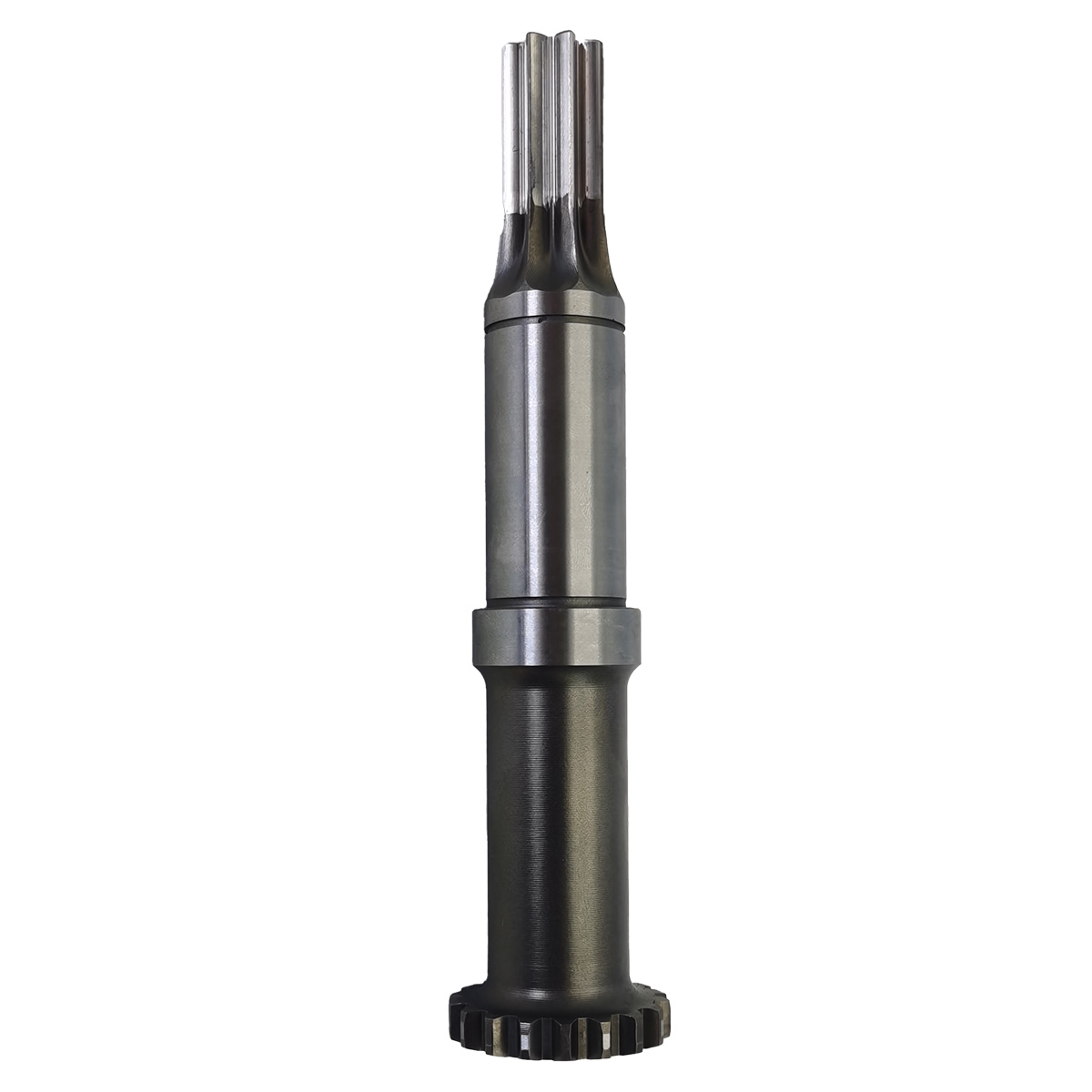
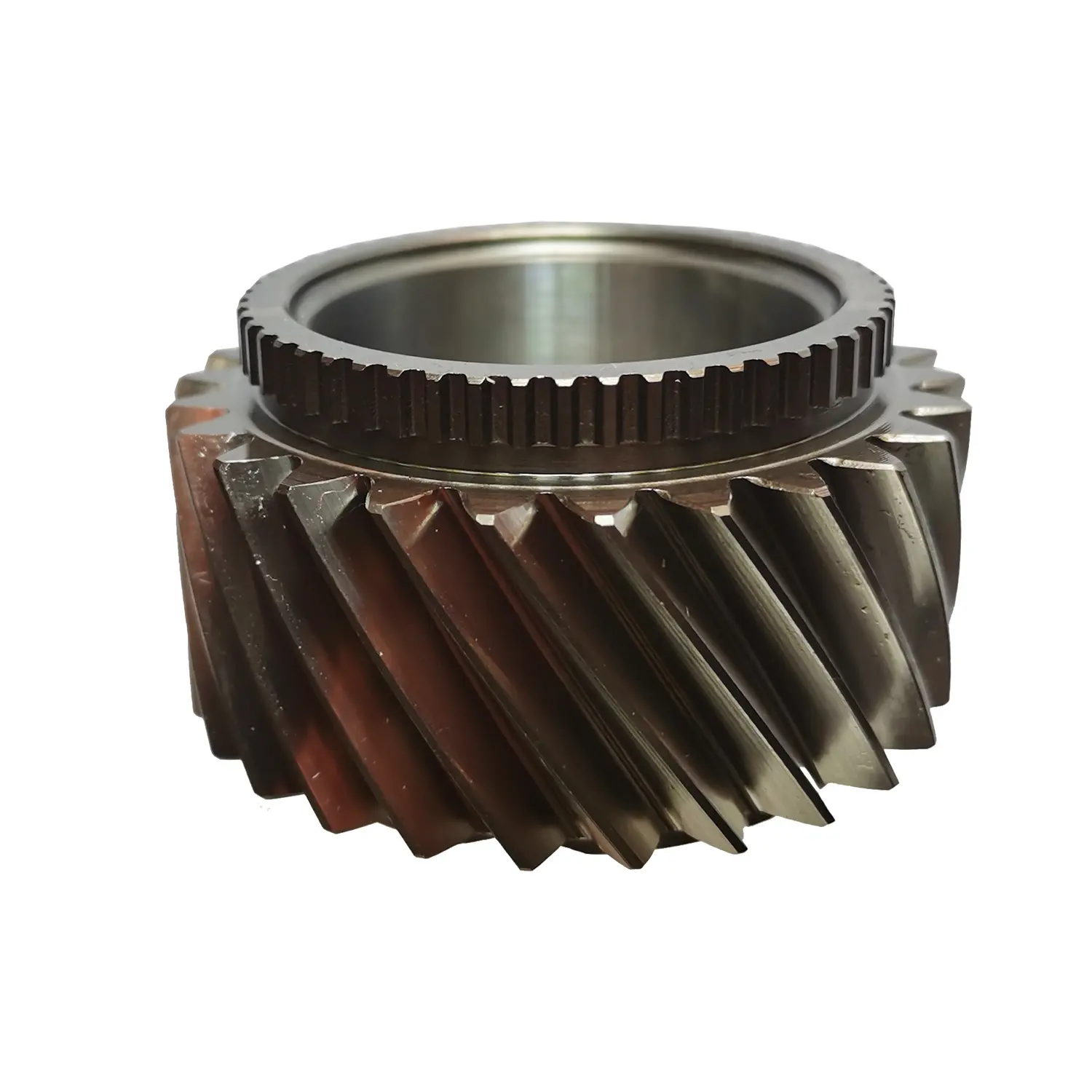
Applications: Suitable for manufacturing various parts operating under heavy loads, such as shafts, rods, loaded bolts, screws, and reinforcing ring springs. It can also be used for small, critical parts with diameters less than 50mm. Its static strength and fatigue properties are comparable to those of 40Cr steel, making it a suitable replacement for 40Cr.
45Mn2 (ASTM 1345)
Properties: Belonging to the same grade as 40Cr steel, it offers high strength, wear resistance, and hardenability. The critical hardenability diameter is approximately 10-25mm in oil and 22-45mm in water. After quenching and tempering, it exhibits good overall mechanical properties and moderate machinability. However, it is susceptible to cracking during water quenching during heat treatment and exhibits a tendency to overheating and temper brittleness. It also has disadvantages such as white spot sensitivity and low weldability and cold deformation plasticity. This steel is generally used in the quenched and tempered state, but can also be used in the normalized state.
Applications: Suitable for the manufacture of parts subject to high stress and wear conditions. For diameters less than 60mm, its performance is comparable to that of 40Cr steel. In automobile, tractor, and general machinery manufacturing, it is suitable for the manufacture of universal joint shafts, axles, connecting rod caps, friction plates, worm gears, gear shafts, steam engine shafts, heavy-load frames, and cold-drawn bolts and nuts.
50Mn2 (ASTM 1552)
Properties: High strength, elasticity, and wear resistance, with high hardenability. Critical hardenability is approximately 10-28mm in oil and 24-49mm in water. Machinability is moderate, and after tempering, it exhibits high overall mechanical properties. However, it is prone to cracking during water quenching during heat treatment and exhibits a tendency toward overheating and temper brittleness. It also suffers from white spot sensitivity, poor weldability, and low cold deformation ductility. It is generally used in the tempered state.
Applications: Suitable for manufacturing parts subject to high stress and wear conditions, and for parts with diameters <80mm. Its performance is similar to that of 45Cr steel. It can also be used after normalizing and high-temperature tempering for medium-load, large-section parts, such as spindles and mandrels in rolling bearings in heavy machinery, and gears, worms, gear shafts, crankshafts, and connecting rods in general machinery. It can also be used for leaf and flat springs.
Post time: Aug-07-2025